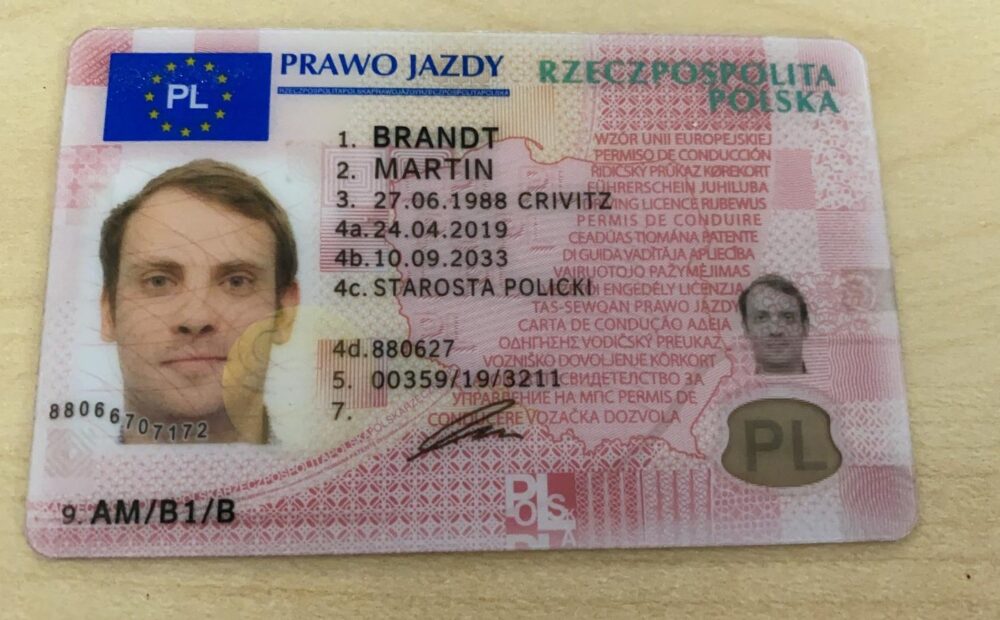
Comprehensive Guide to Purchasing a Polish License
When thinking about the purchase of a Polish license for service or expert activities, there are numerous aspects to consider. This guide checks out the actions included, the types of licenses available, possible costs, and addresses typical concerns.
Introduction of Polish Licenses
In Poland, licenses are needed for different activities-- from running a food establishment to carrying out transport services. The Polish licensing system makes sure public safety, maintains standards, and cultivates fair competition in the marketplace.
Kinds of Licenses in Poland
Depending on business type, numerous licenses might be required. The following table lists some common kinds of licenses in Poland:
| License Type | Description | Particular Regulations |
|---|---|---|
| Business Activity License | General consent to operate a business | Required for various markets, e.g., retail, services |
| Food Business License | License to prepare and offer food | Managed by the State Sanitary Inspection (Sanepid) |
| Transport License | Approval to run business transport services | Should comply with transportation regulations and security standards |
| Alcohol License | Authorization to sell liquors | The sale is regulated strictly; approvals based upon local laws |
| Construction License | Required for building and construction and associated activities | Essential for professionals and builders |
Actions to Purchase a Polish License
Getting a license in Poland can seem difficult however can be broken down into workable actions:
Step 1: Determine License Requirements
Recognize the particular type of license needed for your organization. This includes investigating regional regulations and guidelines. Ważność Polskiego Prawa Jazdy might have special requirements, so it's essential to consult regional authorities.
Action 2: Prepare Necessary Documentation
Each license has specific paperwork needed. Below is a list of typical documents needed for various kinds of licenses:
- Business Registration: Evidence of the company registered in Poland.
- Tax Identification Number (NIP): Required for tax purposes.
- Health and Safety Certificates: Particularly for food companies.
- Evidence of Qualification: Certain licenses, like those for chauffeurs or building and construction, may need evidence of certification or training.
- Financial Proof: Some licenses may need evidence of financial stability or capital.
Step 3: Submit Your Application
Once the paperwork is prepared, send your application to the pertinent authority. This might be a town hall, district workplace, or specific regulative body depending on the license type.
Step 4: Payment of Fees
Licensing includes a fee, which varies based on the kind of license. Below is a generic table showing possible fees for various license types.
| License Type | Approximated Fee |
|---|---|
| Business Activity License | 500 - 2,000 PLN |
| Food Business License | 300 - 1,500 PLN |
| Transport License | 1,000 - 3,000 PLN |
| Alcohol License | 600 - 2,500 PLN |
| Construction License | 1,500 - 5,000 PLN |
Step 5: Await Approval
After submitting your application and paying the cost, await approval. Processing times can differ extensively based on the license type and regional regulations-- varying from a couple of days to a number of months.
Action 6: License Issuance
If authorized, you will receive your license. Polskie Znaki Drogowe that you comprehend the regulations tied to your license and remain certified progressing.
Typical FAQs about Poland's Licensing Process
Q1: What is the typical time to get a Polish license?
A: The time it takes to obtain a Polish license can vary based upon numerous elements, consisting of the type of license, efficiency of your application, and the processing speed of the local authority. Normally, it can take between a few days to a number of months.
Q2: Can I make an application for a license online?
A: Yes, many regional authorities in Poland provide online application services. Nevertheless, you might still need to send particular documents personally or through the mail.
Q3: What if my application is denied?
A: If your application is rejected, you will get an official notification detailing the factors for denial. You might have the alternative to correct issues and reapply or appeal the choice.
Q4: Do I require a Polish national to help me with the application?
A: While it is not compulsory, having a Polish speaker or expert acquainted with the process can help navigate language barriers and ensure your application fulfills regional requirements.
Q5: Are there any continuous obligations after obtaining a license?
A: Yes, preserving compliance with regulations is crucial. This might involve yearly renewals, regular assessments, and adherence to health and safety requirements depending upon your license type.
Acquiring a Polish license includes comprehending the particular requirements, following through with appropriate paperwork, and making sure compliance with regulations to successfully operate an organization. While the process might be difficult, with the right preparation and understanding, it can lead to worthwhile chances within Poland's dynamic service landscape. For people or companies wanting to go into the Polish market, making the effort to secure the appropriate license is a necessary primary step to make sure success.